
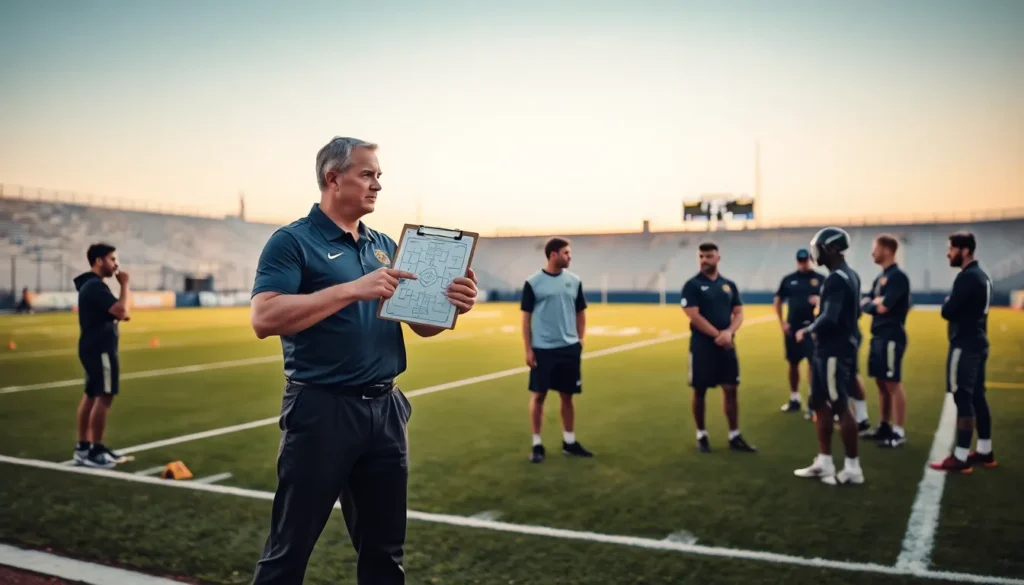

Football manager techniques separate championship-winning teams from the rest. Great managers don’t just pick talented players, they build systems, develop cultures, and make split-second decisions that change outcomes. Whether someone manages at the youth level or dreams of professional coaching, the right techniques create consistent results.
This guide breaks down the core football manager techniques that drive team success. From locker room culture to tactical formations, these strategies offer a practical roadmap for any aspiring or current manager.
Table of Contents
ToggleKey Takeaways
- Effective football manager techniques begin with building a strong team culture through clear expectations, open communication, and genuine player connections.
- Choosing the right formation depends on available personnel—successful managers match tactical systems like 4-3-3, 4-4-2, or 3-5-2 to their players’ strengths.
- Keep tactical principles simple; players execute three or four clear rules better than complex playbooks during high-pressure situations.
- Structured training sessions with personalized development plans turn player potential into consistent on-field performance.
- In-game football manager techniques like well-timed substitutions and tactical shifts can change match momentum when executed decisively.
- Calm leadership during pressure moments—finals, derbies, and must-win games—sets the emotional tone and helps players perform under stress.
Building a Winning Team Culture
Football manager techniques start long before kickoff. The best managers build a culture where every player understands their role and commits to the collective goal.
Establishing Clear Expectations
Successful managers set standards from day one. They define what effort looks like, how players should treat each other, and what accountability means. Vague expectations create confusion. Specific standards create alignment.
A manager might require punctuality, demand full effort in training, and insist on respect between teammates. These rules apply equally to star players and substitutes. Consistency builds trust.
Communication and Leadership
Open communication forms the backbone of effective football manager techniques. Players need to hear feedback, both positive and corrective. Weekly one-on-ones, team meetings, and honest post-match reviews keep everyone informed.
The manager’s leadership style also matters. Some coaches lead with intensity, others with calm authority. The key is authenticity. Players spot fake personas quickly. A manager who knows their own style and commits to it earns respect.
Creating Unity Across the Squad
Team bonding isn’t just about pizza parties. Smart managers create situations where players depend on each other. Training drills that require cooperation, shared goals, and celebrating small wins together, all these build genuine connections.
When players care about each other, they run harder, cover more ground, and sacrifice for the team.
Tactical Systems and Formation Strategies
Football manager techniques in tactics determine how a team plays. The formation provides structure, but the system brings it to life.
Choosing the Right Formation
No formation works for every squad. A 4-3-3 demands pace on the wings. A 3-5-2 requires mobile center-backs. Managers must match formations to available personnel.
The most common formations include:
- 4-4-2: Balanced and straightforward, good for organized defensive blocks
- 4-3-3: Offers width and attacking options, popular among possession-based teams
- 3-5-2: Provides midfield control with wing-back support
- 4-2-3-1: Shields the defense while supporting a lone striker
Effective football manager techniques involve flexibility. Starting in one shape and shifting to another mid-game catches opponents off guard.
Offensive and Defensive Principles
Beyond formation, managers install principles. On offense, this might mean quick transitions, patient build-up play, or direct long balls. On defense, the team might press high, sit deep, or use a zonal marking system.
The best managers keep principles simple. Players can’t execute complicated instructions under pressure. Three or four clear rules beat a 50-page playbook every time.
Adapting to Opponents
Game preparation matters. Managers study opposing teams, identify weaknesses, and adjust their approach. Against a team with slow defenders, speed becomes the weapon. Against a pressing side, composure on the ball wins.
Player Development and Training Methods
Long-term success requires developing players. Football manager techniques in training turn potential into performance.
Structured Training Sessions
Every training session needs a purpose. Warm-ups prepare the body. Technical drills sharpen skills. Tactical exercises rehearse game situations. Fitness work builds endurance.
Managers plan weekly cycles that balance intensity with recovery. Overtraining leads to injuries and burnout. Undertraining leaves teams unprepared.
Individual Player Growth
Each player has different needs. A young winger might need finishing practice. An experienced midfielder might need fitness maintenance. Personalized development plans accelerate improvement.
Football manager techniques for individual growth include video analysis, position-specific coaching, and regular progress check-ins. Players who see their own improvement stay motivated.
Youth Integration
Developing homegrown talent saves money and builds loyalty. Smart managers create pathways from youth teams to the first team. They give young players meaningful minutes and protect them from excessive pressure.
The transition from youth to senior football challenges even talented players. Patient managers who believe in young talent often reap rewards later.
In-Game Management and Decision Making
Matches test football manager techniques in real time. Preparation meets pressure, and decisions carry consequences.
Reading the Game
Great managers watch patterns unfold. They notice when their team loses midfield battles, when a defender struggles, or when an opponent tires. This awareness guides adjustments.
Some managers track specific data during matches. Others rely on instinct developed over years. Most use a combination of both.
Substitutions and Tactical Shifts
Timing matters as much as personnel. A substitution at the 60th minute can change momentum. Waiting too long wastes impact. Moving too early risks misreading the situation.
Football manager techniques for substitutions include:
- Fresh legs against tired defenders
- Defensive reinforcements to protect leads
- Attacking changes to chase goals
- Like-for-like swaps to maintain structure
Formation changes during matches, dropping into a back five or pushing to a front three, require players who understand multiple roles.
Managing Pressure Moments
Finals, derbies, and relegation battles test mental strength. Managers set the emotional tone. If they panic, players panic. Calm leadership steadies nerves.
Pre-match routines, clear instructions, and confidence in the game plan help players perform under stress. Great managers prepare their teams for pressure long before high-stakes moments arrive.