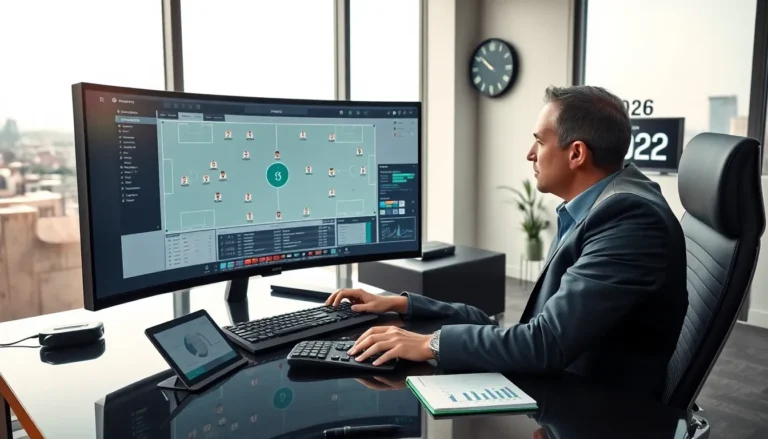


Football manager trends 2026 are shaping up to deliver some of the most exciting changes the franchise has seen in years. Players who’ve spent countless hours building dynasties, nurturing wonderkids, and obsessing over tactical setups have reason to pay attention. The upcoming year promises significant upgrades across AI behavior, data systems, youth development, and social features.
Sports Interactive continues to push boundaries with each release. But 2026 feels different. The studio appears focused on addressing long-standing community requests while introducing fresh mechanics that could change how fans approach the game. From smarter opposition managers to deeper scouting tools, the football manager trends 2026 landscape looks genuinely promising.
This article breaks down the key areas where Football Manager is expected to evolve. Whether someone manages a lower-league club or dominates European competition, these changes will likely affect their experience.
Table of Contents
ToggleKey Takeaways
- Football manager trends 2026 include smarter opposition AI that adjusts tactics mid-match and makes realistic substitutions.
- Enhanced data analytics and scouting tools will let managers compare players across dozens of metrics with visual dashboards.
- Youth development receives a major overhaul with individual training plans, deeper mentoring systems, and improved loan management tools.
- Set pieces are getting a complete redesign, giving users more control over positioning and movement during corners and free kicks.
- Multiplayer and community features expand with asynchronous online leagues, weekly challenges, and better content-sharing tools.
- The match engine promises smoother player animations, more realistic scorelines, and improved collision detection.
Enhanced AI and Match Engine Improvements
The match engine has always been Football Manager’s heartbeat. In 2026, expect significant upgrades to how matches unfold on screen. Sports Interactive has invested heavily in refining player movement, positioning, and decision-making during simulated games.
One major football manager trends 2026 development involves opposition AI. Rival managers will likely react more intelligently to in-game situations. They’ll adjust formations mid-match, target weaknesses in defensive setups, and make substitutions that actually make sense. Gone are the days of watching AI teams stubbornly stick with failing tactics.
Player animations should see noticeable improvements too. The 3D match engine has often drawn criticism for awkward-looking movements and unrealistic collisions. Recent beta testing suggests smoother transitions between actions, better first touches, more natural running styles, and improved aerial challenges.
Set pieces deserve special mention here. Football manager trends 2026 indicate a complete overhaul of corner and free-kick routines. Users may gain more control over player positioning and movement patterns during dead-ball situations. This addresses a frequent complaint that set pieces felt random rather than tactical.
The underlying simulation calculations are getting tweaks as well. Expect more realistic scorelines and fewer matches where underdogs somehow dominate possession against elite squads. These match engine improvements should make Football Manager feel closer to actual football.
Data Analytics and Scouting Innovations
Modern football clubs rely heavily on data analysis. Football Manager has reflected this reality for years, but 2026 promises to take analytics further.
Scouting reports will likely become more detailed and customizable. Users should be able to request specific data points about potential signings, pressing efficiency, progressive passing numbers, expected goals contribution. This mirrors how real-world recruitment departments operate.
Football manager trends 2026 point toward enhanced comparison tools. Managers will probably compare multiple players across dozens of metrics simultaneously. Visual dashboards may replace some of the text-heavy reports that currently dominate the scouting interface.
The scout assignment system needs work, and early reports suggest improvements are coming. Users might assign scouts to focus on specific player profiles or playing styles rather than just geographic regions. Want someone who specializes in finding defensive midfielders who excel at ball recovery? That could become possible.
Data integration with match analysis represents another football manager trends 2026 highlight. Post-match breakdowns should provide actionable insights. Instead of generic statistics, users may see specific recommendations, which player underperformed, where defensive gaps appeared, how passing patterns compared to previous matches.
These analytics improvements won’t just help top-tier managers. Lower league clubs with limited scouting budgets will benefit from smarter filtering tools that surface hidden gems more effectively.
Evolving Player Development Systems
Youth academies have always attracted dedicated Football Manager fans. Nurturing a 16-year-old into a world-class star provides unmatched satisfaction. Football manager trends 2026 suggest the development pathway is getting a major refresh.
Training customization should expand significantly. Users may set individual development plans that track players across multiple seasons. Want a young striker to focus on finishing this year and movement next year? The system could accommodate that level of planning.
Mentoring relationships between senior and youth players are expected to gain importance. Pairing a hot-headed prospect with a professional, experienced teammate might actually influence personality development. This feature has existed before, but football manager trends 2026 indicate deeper implementation.
Loan management deserves attention here. Finding the right loan destination has always felt somewhat random. New tools may help identify clubs that match a young player’s development needs, clubs that play suitable formations, offer regular minutes, and have good coaching staff.
The youth intake system itself might see changes. Football manager trends 2026 discussions mention variable intake quality based on facilities, regional talent pools, and club reputation. This could make investing in youth infrastructure feel more rewarding.
Physical development models appear due for updates too. Young players’ growth in strength, pace, and stamina should follow more realistic curves. Late bloomers and early developers will add unpredictability to long-term squad planning.
Community Features and Multiplayer Expansion
Football Manager has traditionally been a single-player experience. That’s changing. Football manager trends 2026 show growing emphasis on community and multiplayer features.
Online leagues should become more accessible and stable. Previous multiplayer attempts suffered from synchronization issues and scheduling difficulties. New infrastructure may allow asynchronous play, where managers make decisions on their own time and matches simulate when both parties are ready.
Community challenges represent an interesting football manager trends 2026 addition. Sports Interactive might introduce weekly or monthly scenarios, take this struggling club and achieve specific objectives. Leaderboards would track performance, adding competitive elements without requiring direct multiplayer.
Content sharing should expand as well. Users often create custom databases, face packs, and logo sets. Better in-game tools for discovering and installing community content would improve the experience for everyone.
Streaming integration appears on the horizon too. Football manager trends 2026 suggest features that make broadcasting saves more engaging for viewers. Better spectator modes, instant replay options, and shareable highlights could boost the game’s presence on platforms like Twitch and YouTube.
These social features won’t replace the core single-player experience. They’ll complement it, giving users ways to connect with other managers who share their passion for the game.